Gastronomy Innovation Campus Tokyo, THE FIRST INTERNATIONALHUB IN THE GOE NETWORK
GIC Tokyo was created by Tokyo Tatemono as a new gastronomic hub in Tokyo, designed to activate an ecosystem focused on a more sustainable, innovative and regenerative future. As the first international hub in the GOe network, the project seeks to nurture local talent, strengthen Japanese gastronomic culture and project it globally as a driver of urban revitalisation, social innovation and connection between people, knowledge and the city. Developed in collaboration with Basque Culinary Center and BAT, the project began with an in-depth analysis of the Japanese context and, more specifically, Tokyo’s urban, social and cultural reality. This research approached the ecosystem from multiple perspectives: society, economy and digitalisation; tourism, sustainability and innovation; gastronomy and education; and urban analysis. Its aim was to understand the real dynamics of the place and lay the foundations for an integral, operational intervention rooted in its context. From this initial reading, Basque Culinary Center defined the programme, the content strategy and the model for activating the space. BAT translated this knowledge into a flexible and precise architectural solution, capable of responding to a complex programme within a compact existing space.
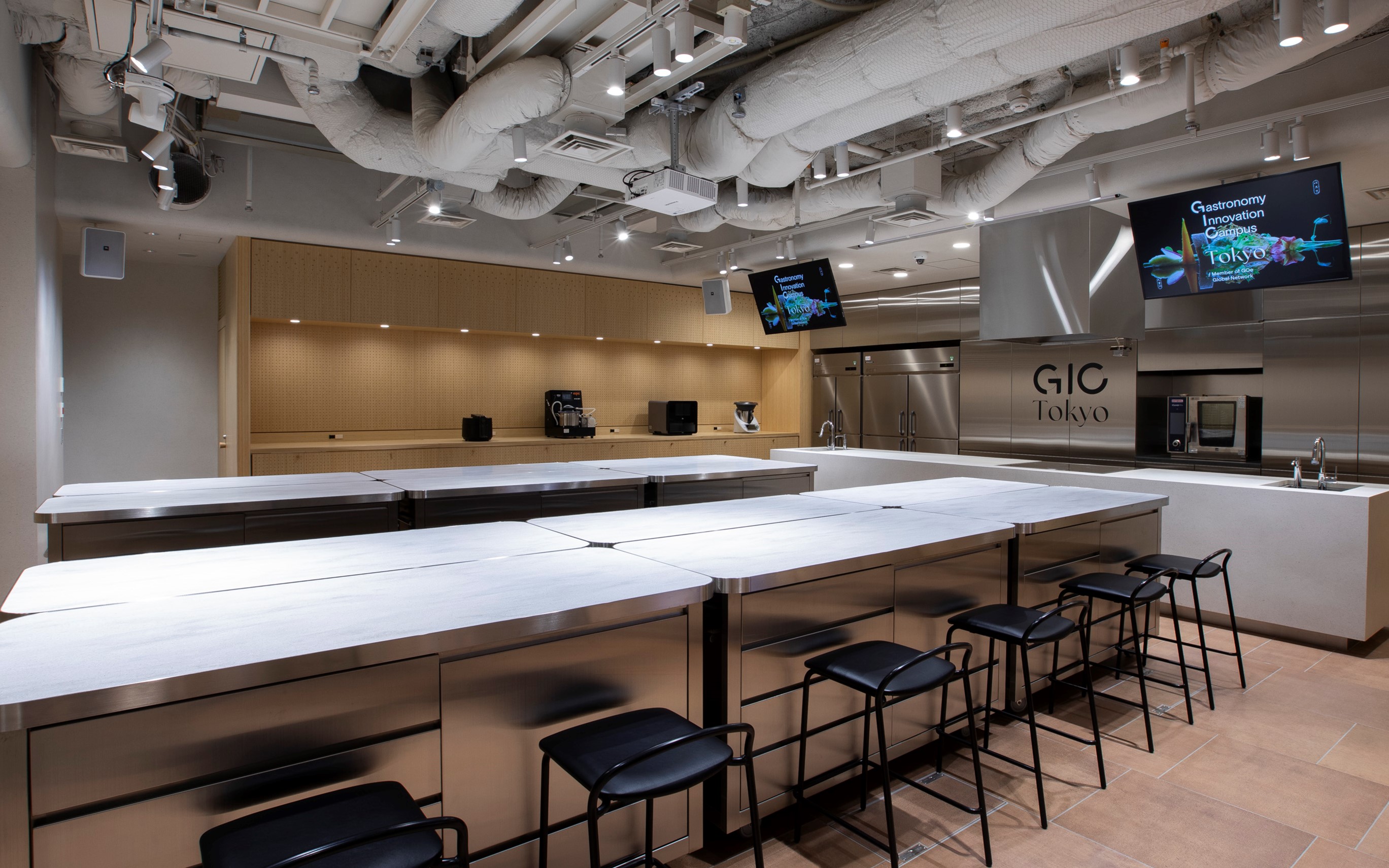
The main challenge was to integrate multiple uses into a 300 sqm existing space, shaped by significant physical constraints. The intervention had to ensure functional clarity, operational flexibility and the ability to evolve over time, while incorporating different degrees of public openness and a high level of technical performance.
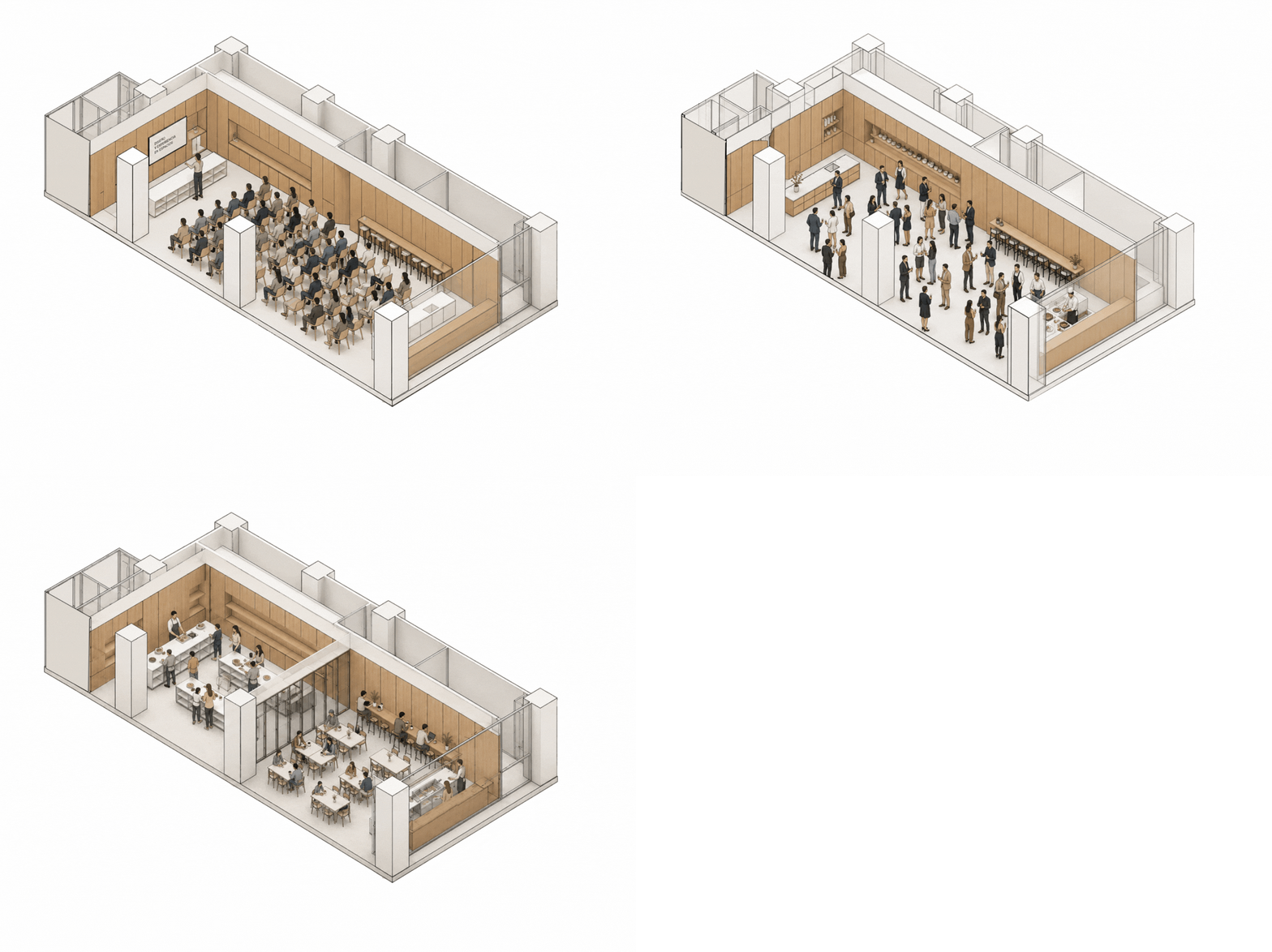
The proposal is structured around flexibility as the project’s guiding principle. The space is conceived as an infrastructure capable of continuous transformation, where architecture moves beyond the role of a simple container to become an active support for changing uses.
Rather than a closed and fixed space, GIC Tokyo is designed as an open platform for experimentation, learning and co-creation. The architecture enables multiple scenarios: training, culinary demonstrations, dining, events, professional gatherings, food innovation activities and experiences open to the public.
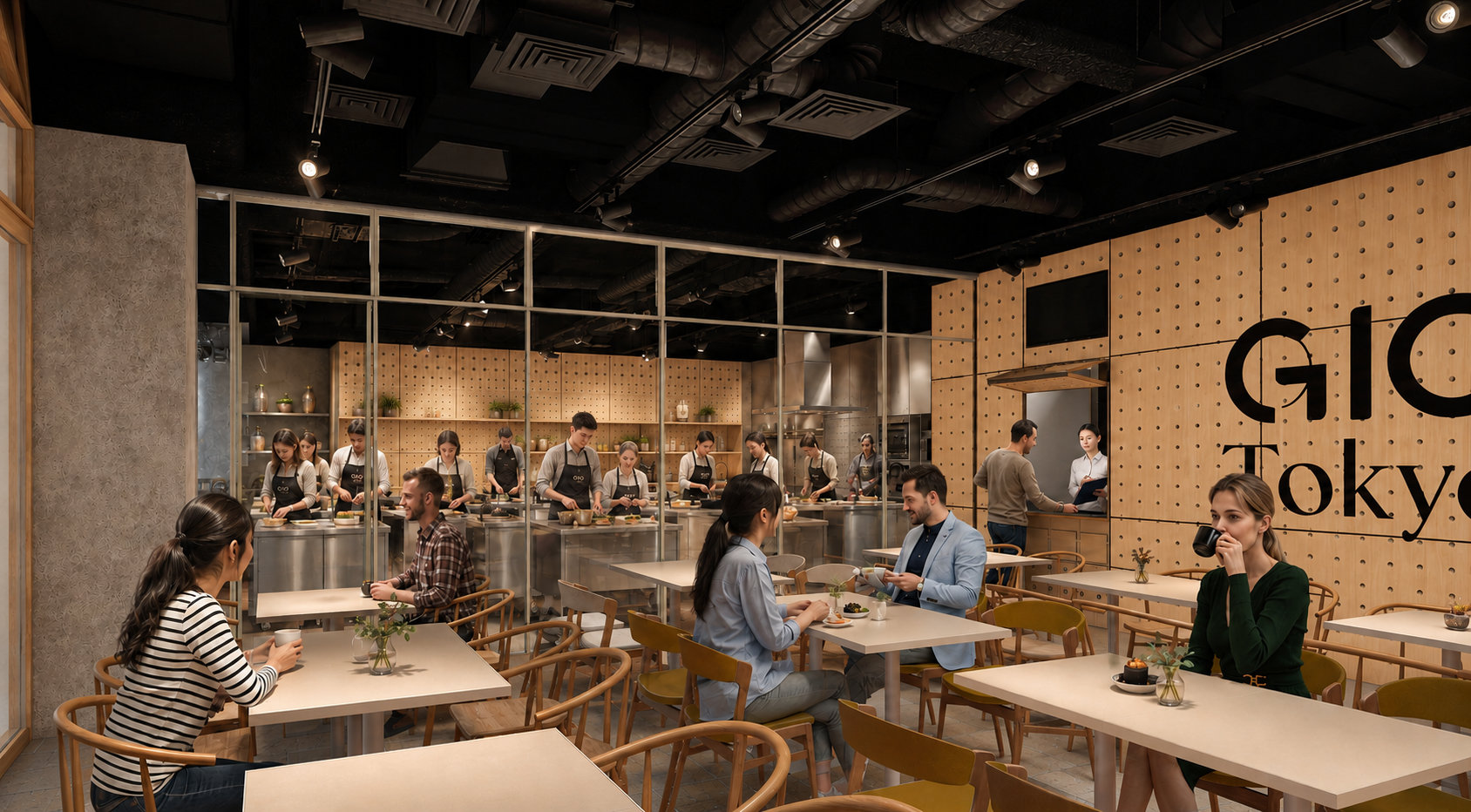
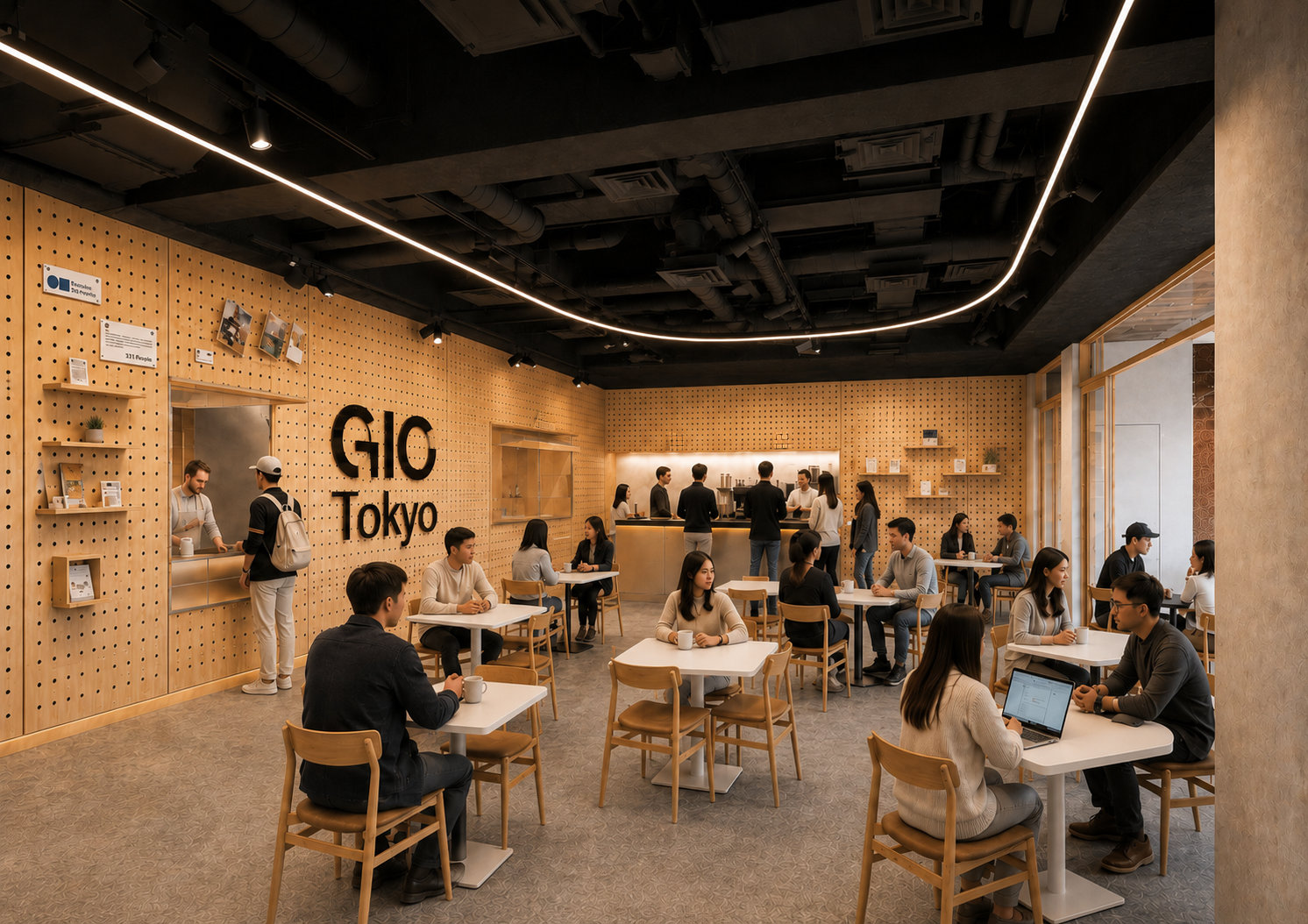
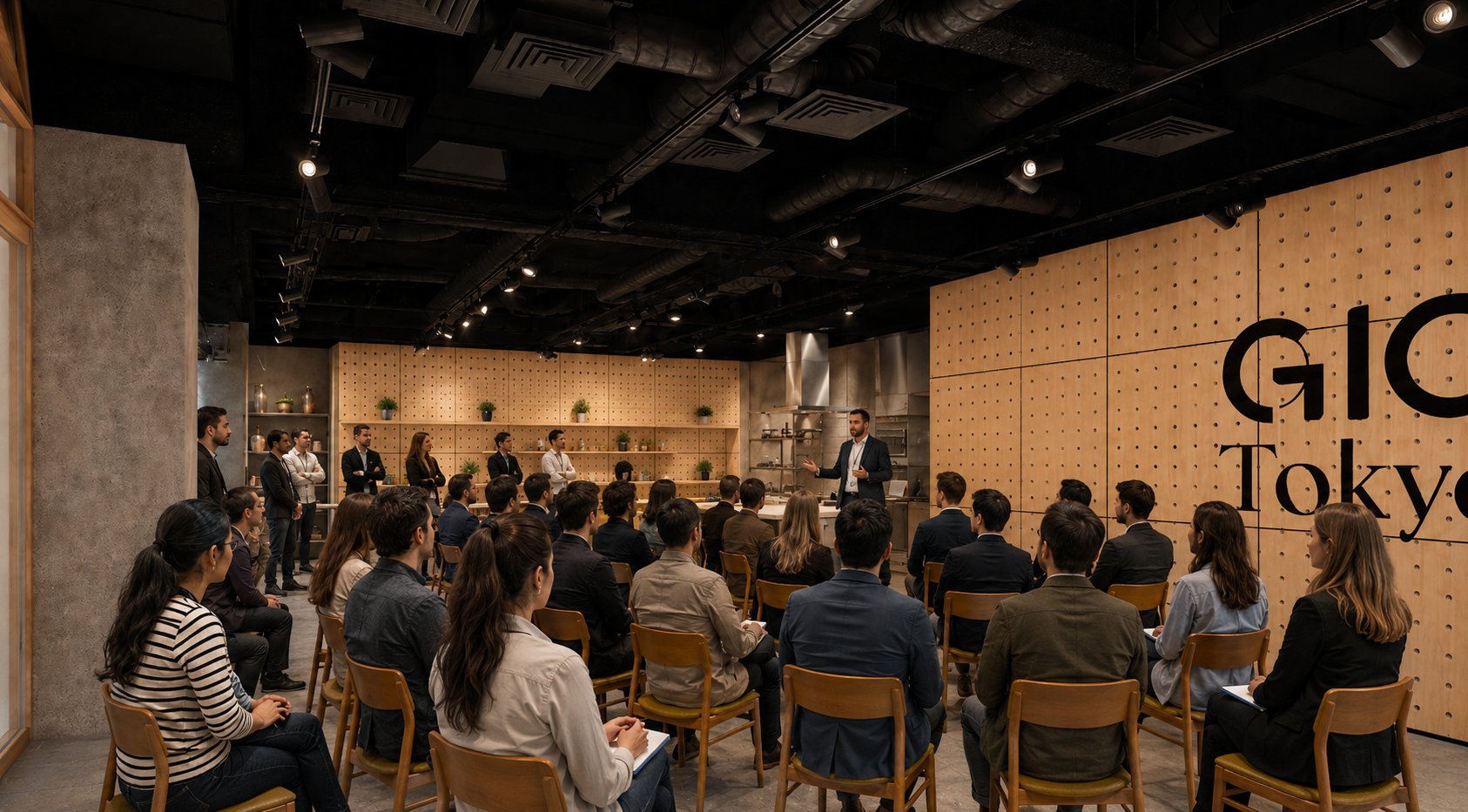
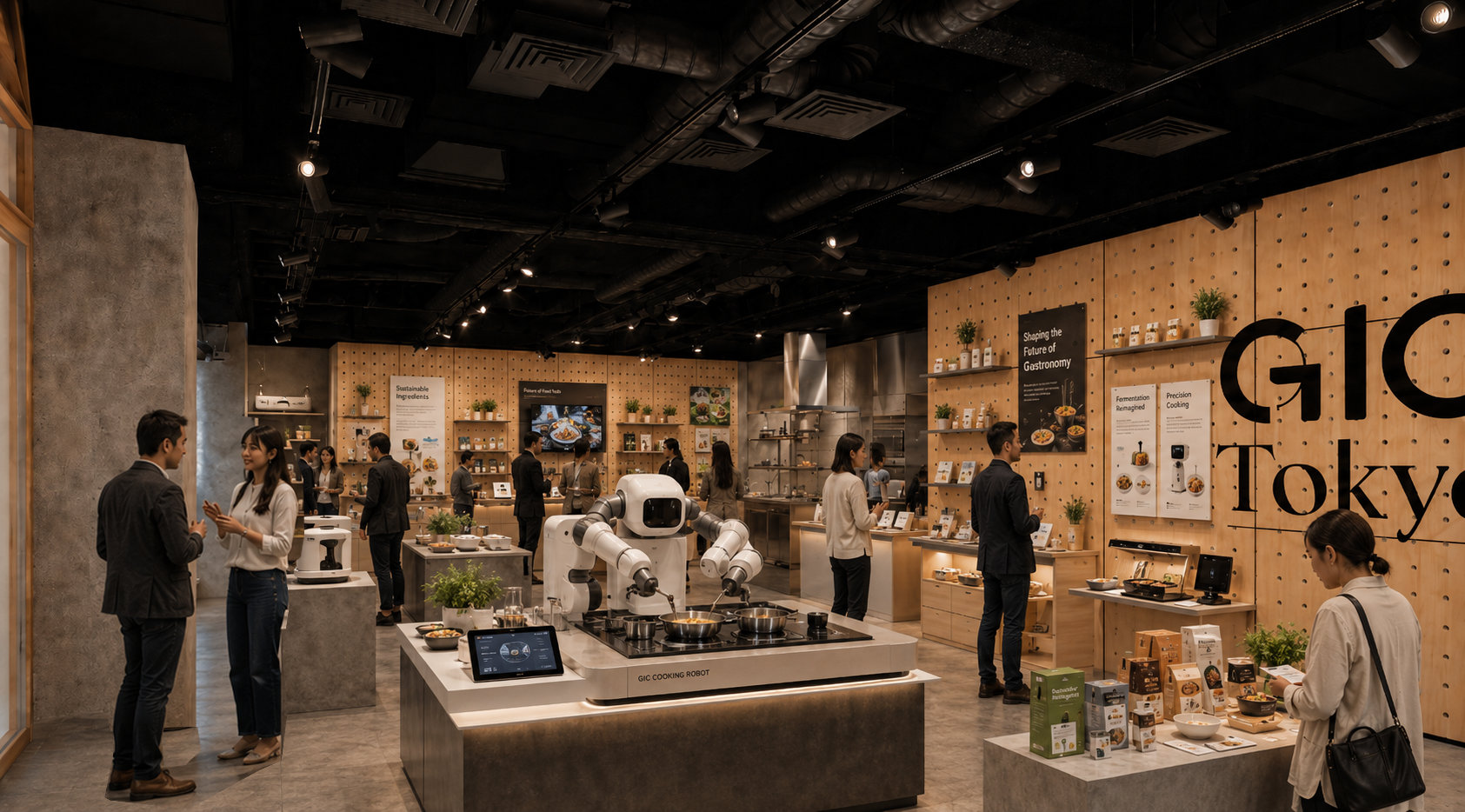
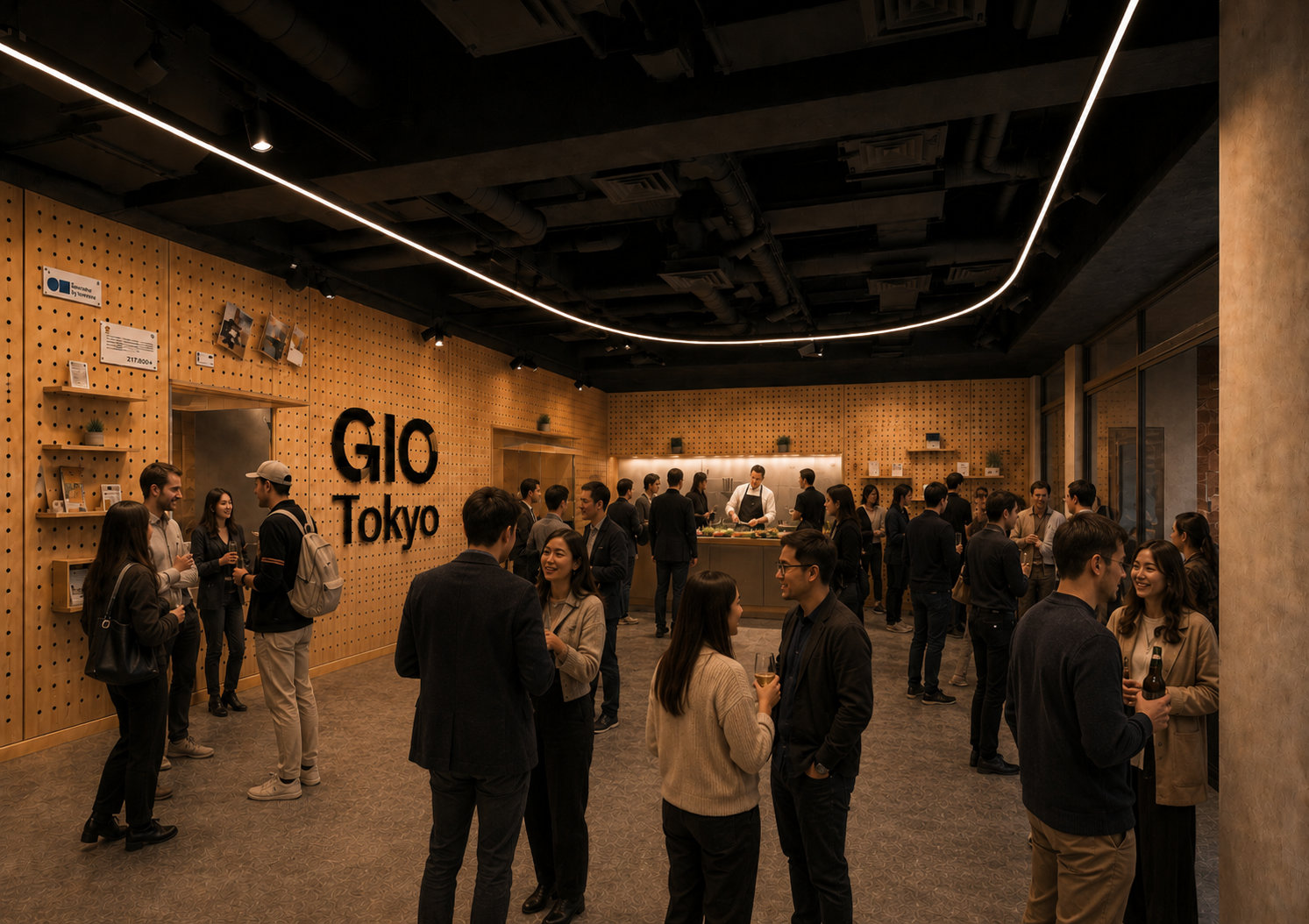
This hybrid condition is reinforced through complementary spaces such as 8go Café/Bar and Tokyo Living Lab. The firt one acts as an open meeting point where visitors can experience regeneration through food and drink, including those who are not directly participating in GIC Tokyo programmes. Tokyo Living Lab, meanwhile, is conceived as a space to explore projects driving regeneration and to connect with like-minded people with whom to activate new collaborations across the city.
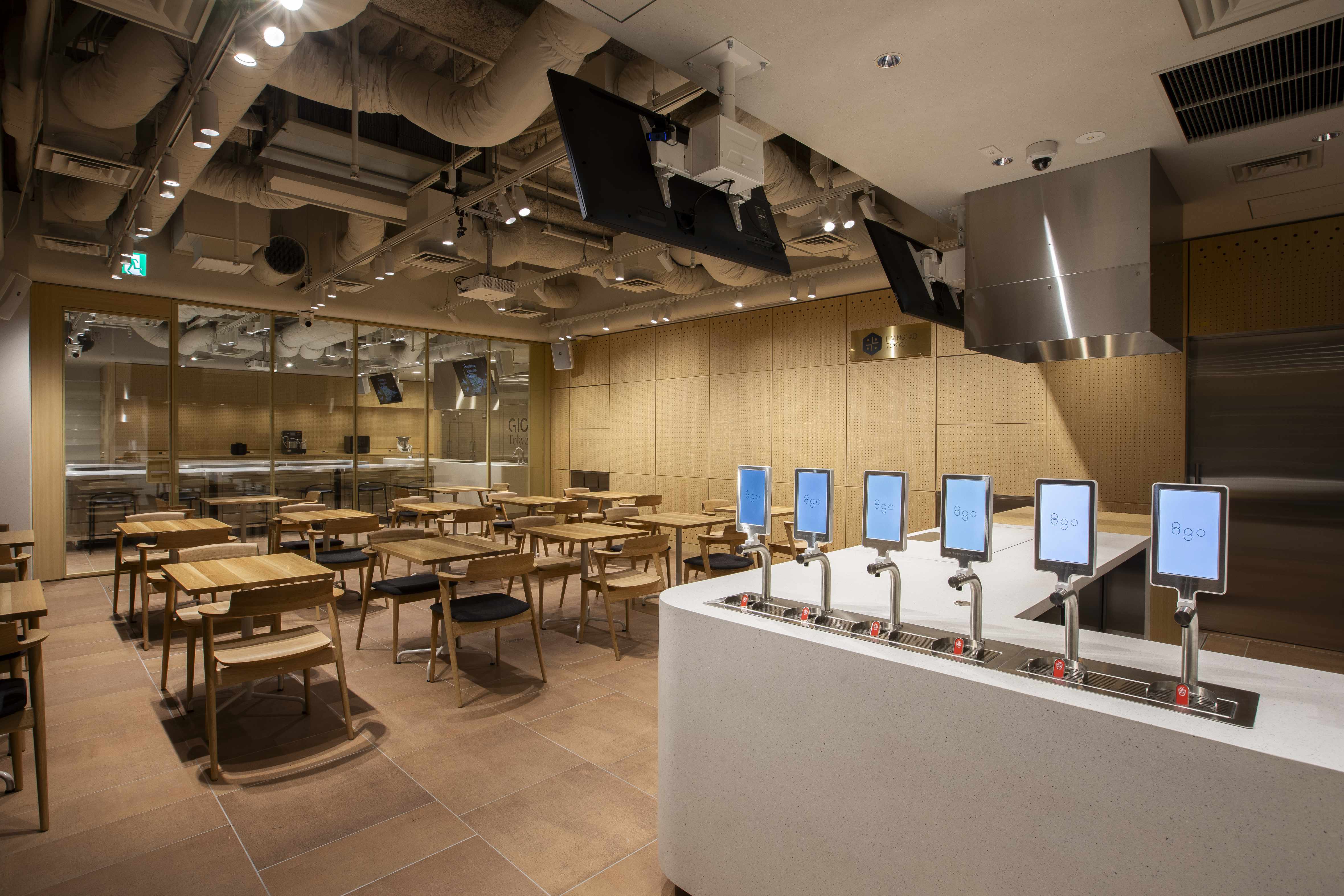
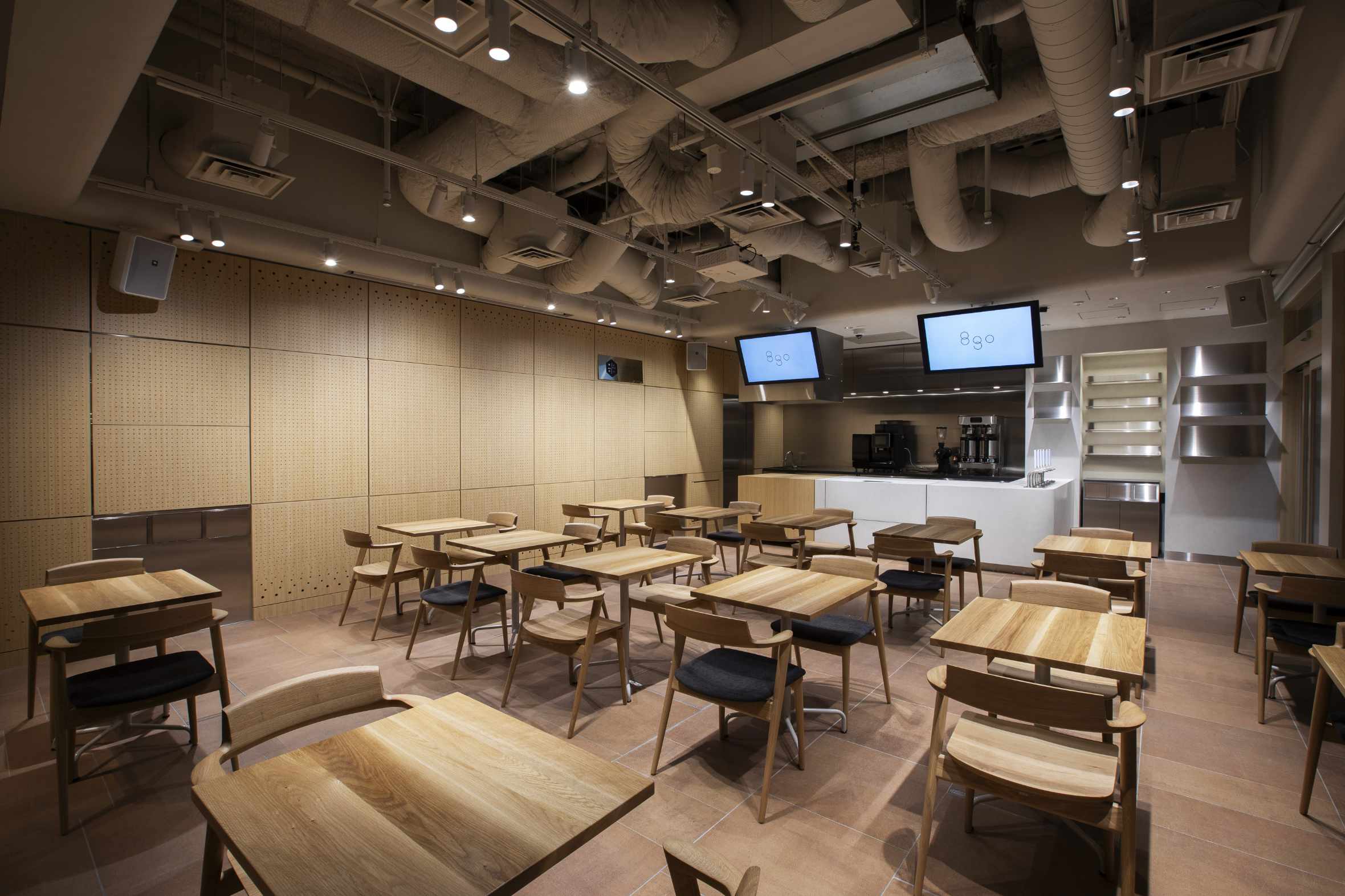
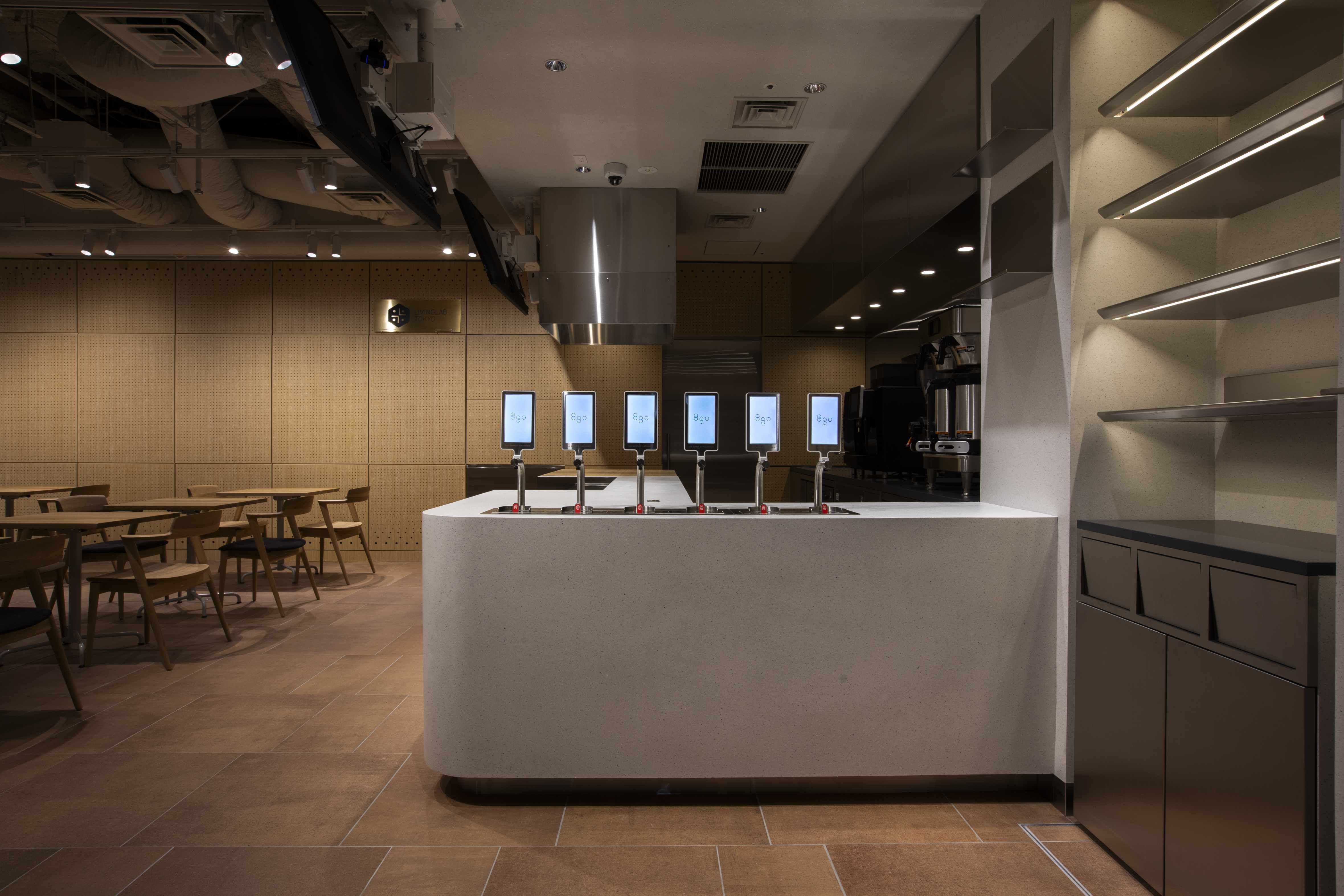
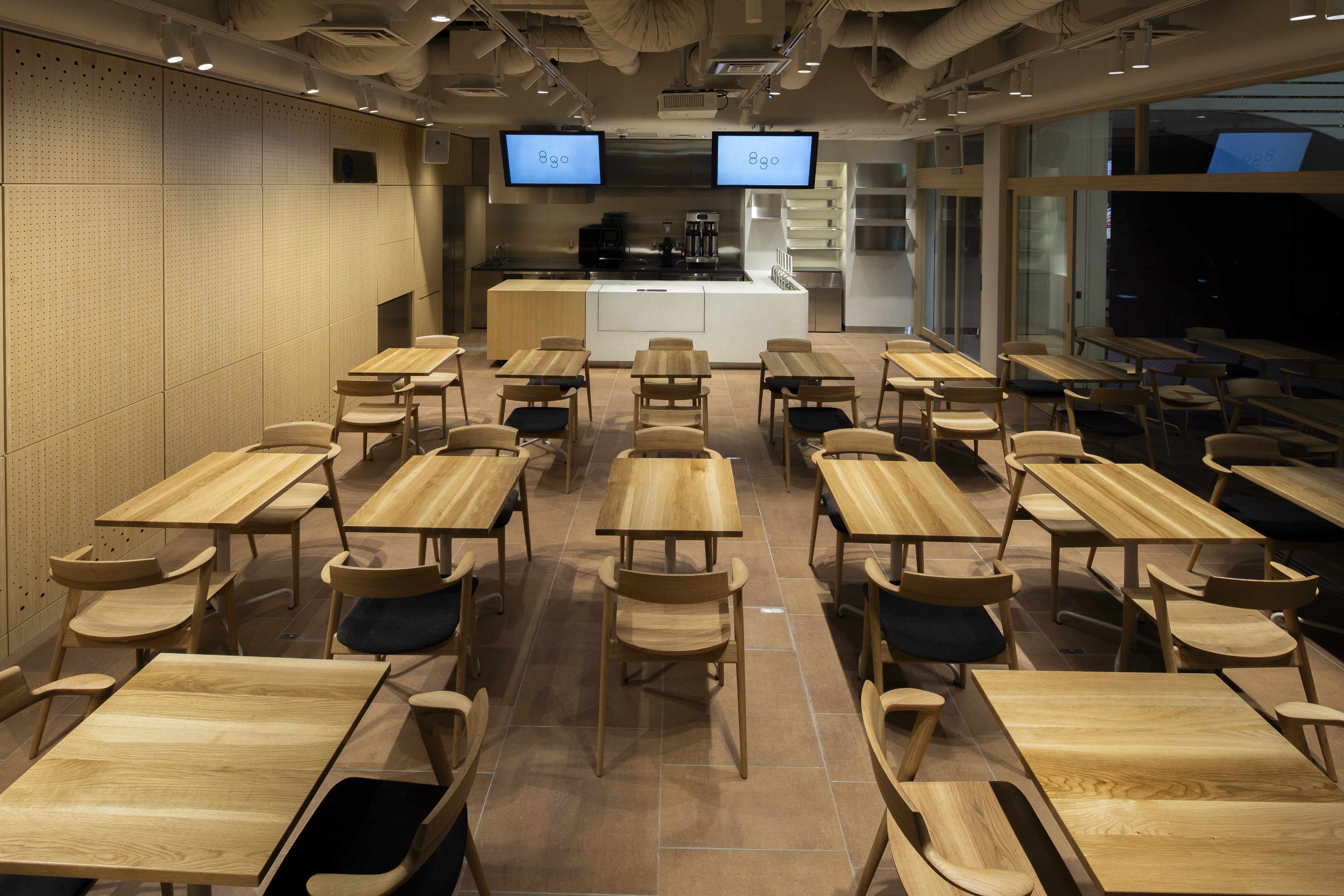
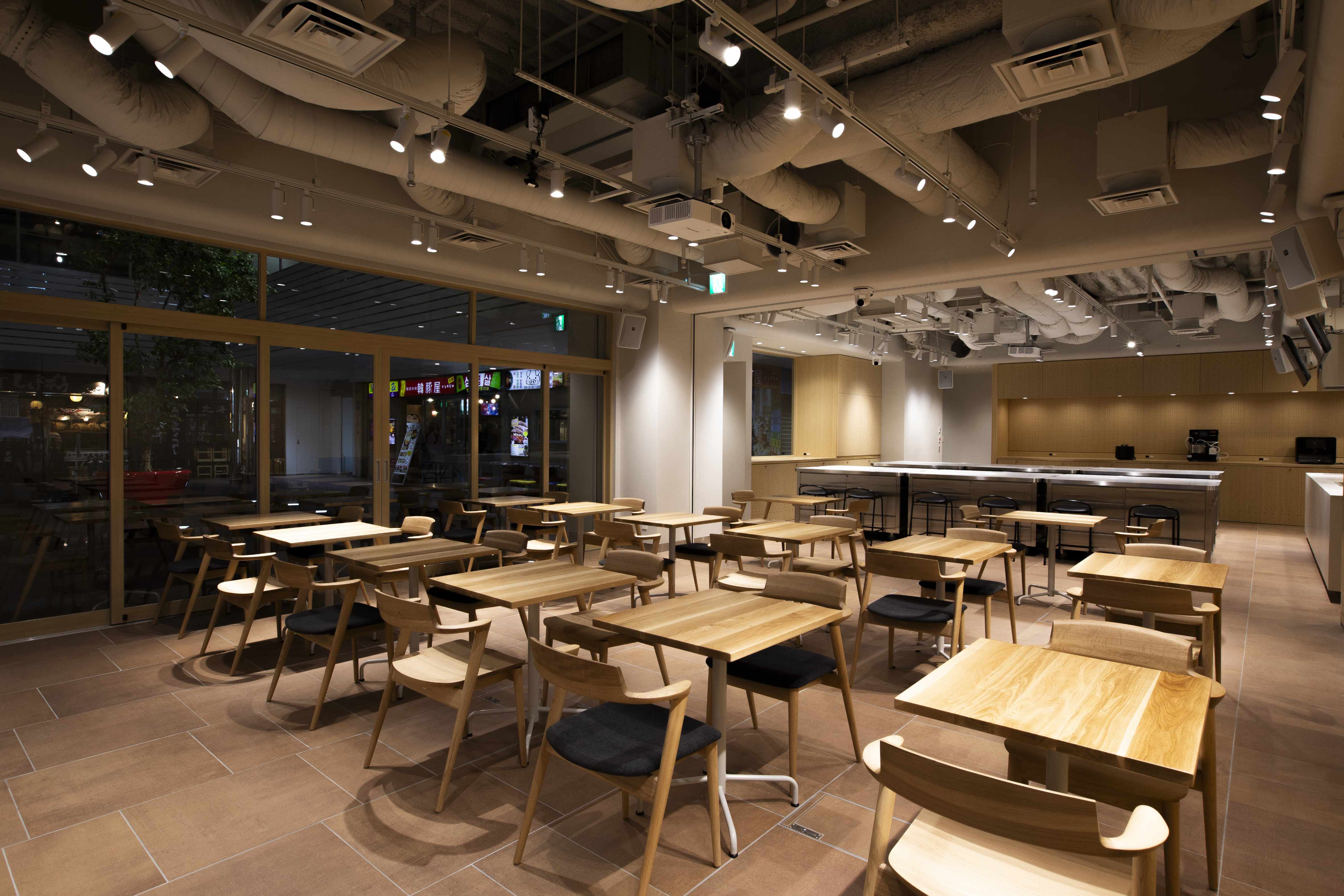
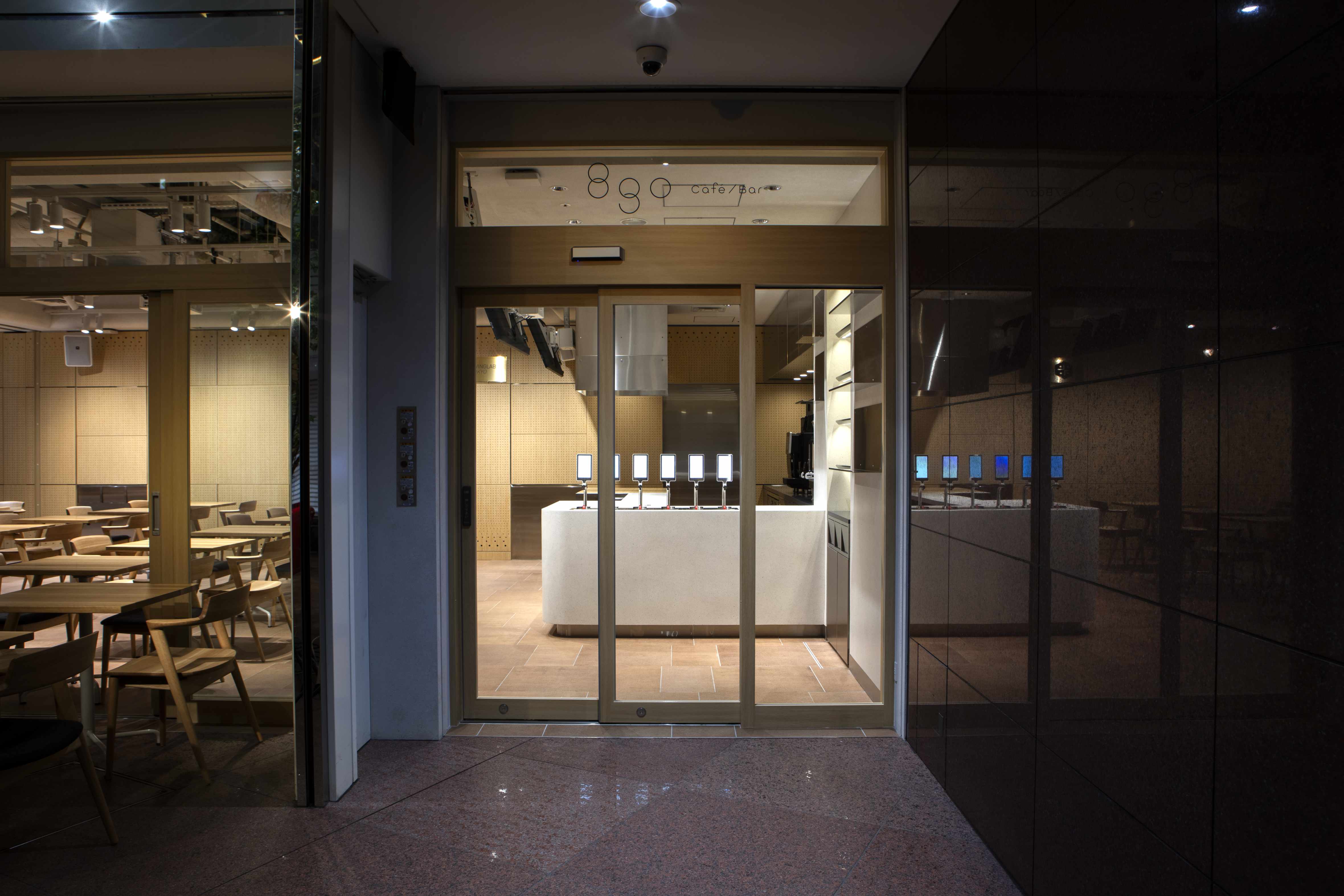
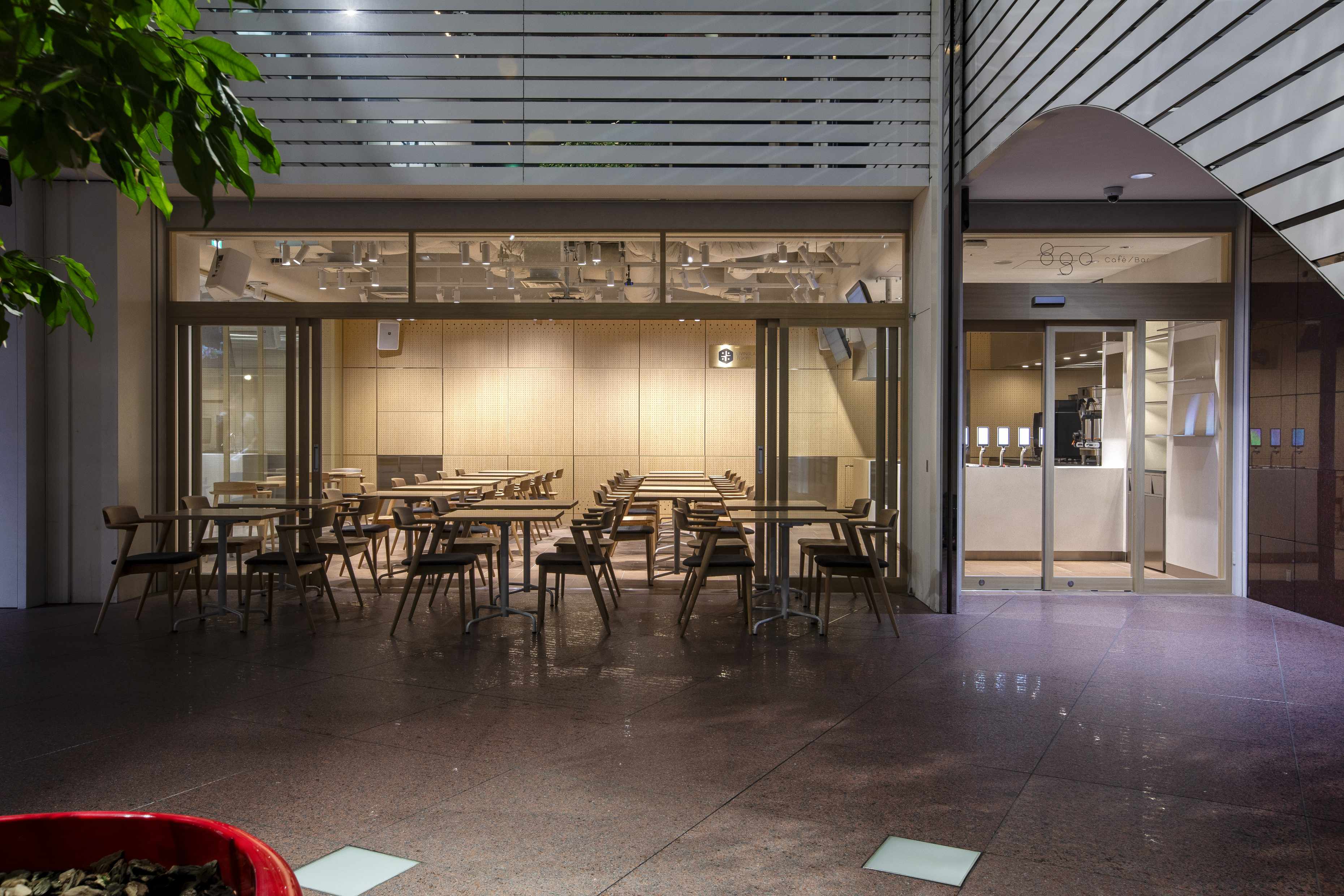
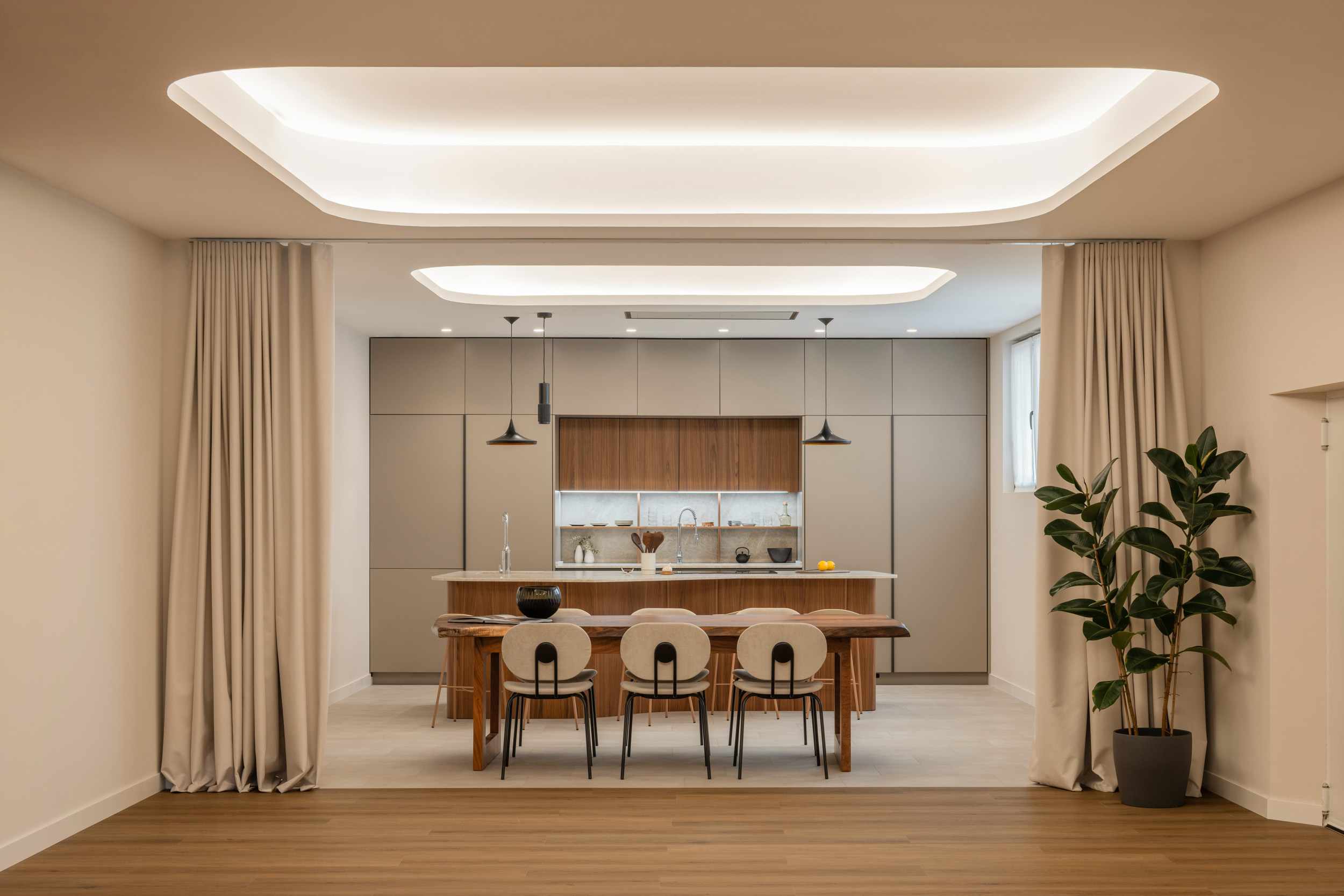
The intervention is resolved through a flexible spatial system based on the combination of a fixed technical backbone and a series of mobile elements that allow the space to be activated in different ways. The continuous technical backbone integrates the kitchen, storage, cleaning areas, changing rooms and building services, freeing up the main space and strengthening its capacity for adaptation.
Modular kitchens, together with lightweight and reconfigurable furniture, make it possible to transition between multiple layouts without major physical transformations. The space can operate as a classroom, restaurant, gastronomic laboratory, event space, café-bar, collaborative workspace or urban innovation platform, while maintaining the architectural coherence of the whole.
Much of the project is built from what remains unseen. The technical infrastructure, from building services and extraction systems to adaptable lighting, audiovisual equipment and operational support elements, is silently integrated into the architecture. This invisible layer allows the space to respond to demanding functional requirements without compromising its clarity, flexibility or atmosphere.
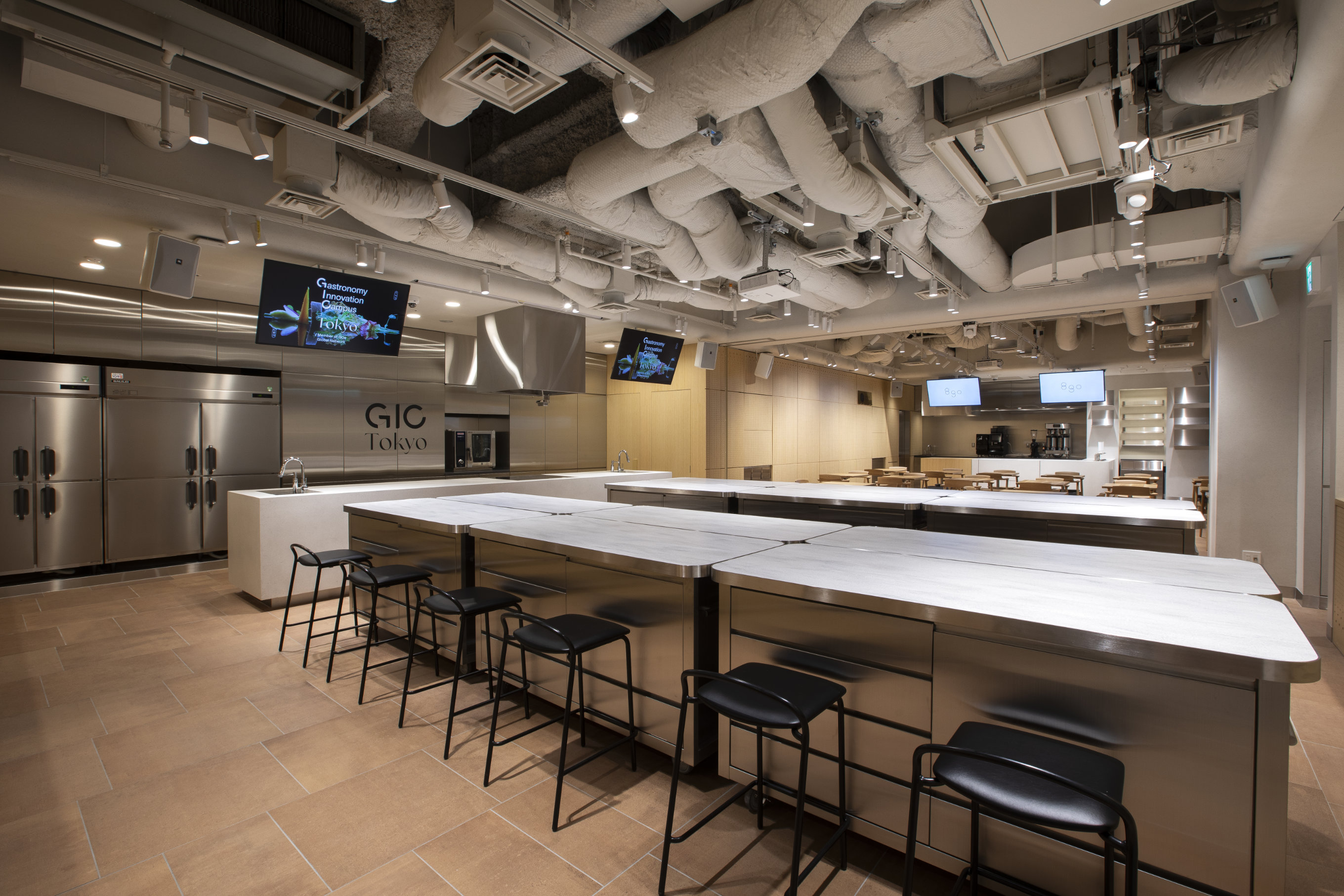
Architecture conceived as an active infrastructure for innovation and interaction.
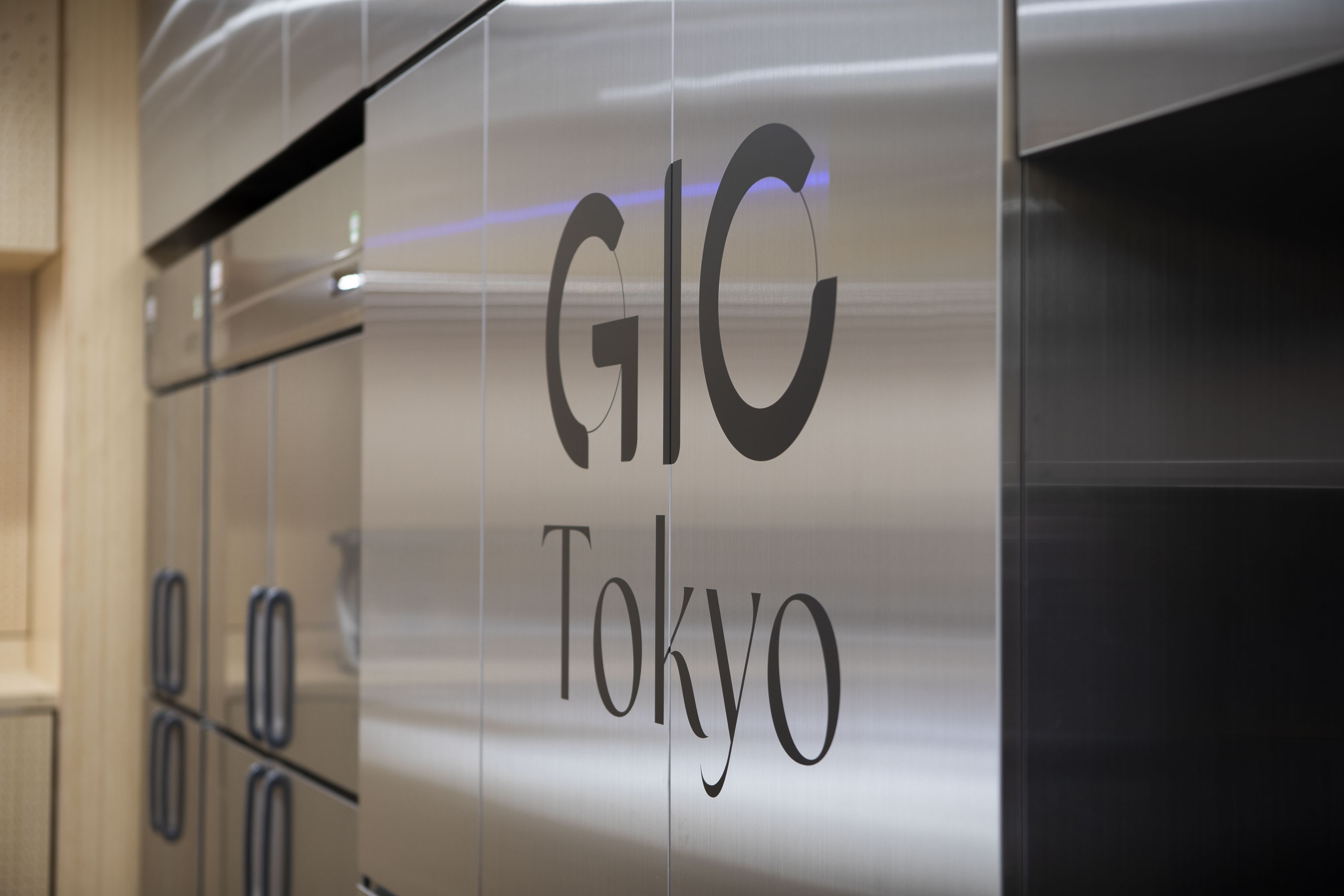
The result is a technically equipped, visually clear space, capable of transforming its character according to each activity. An architecture that not only supports the programme, but enhances it, enabling new forms of learning, encounter, creation and participation.
GIC Tokyo introduces a hybrid model that brings together education, gastronomy, innovation, cultural activation and urban regeneration. For Tokyo Tatemono, it consolidates a legacy linked to innovation and sustainability, understood through adaptability, intensity of use and the ability of the space to evolve over time.